Pitching a Feature Film Before a Single Frame Is Shot: An AI-Generated Investor Trailer
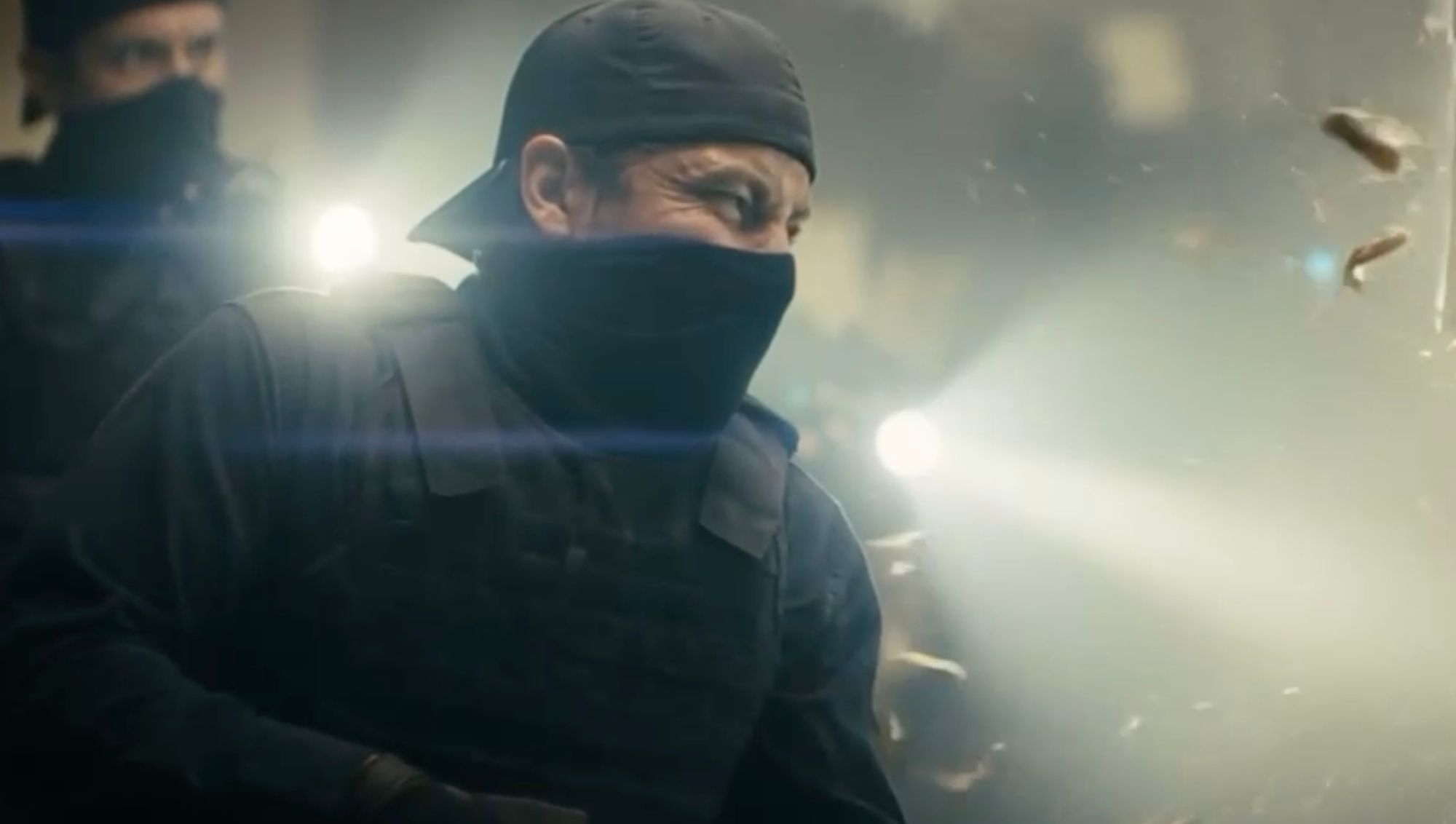
A screenwriter and a literary agency came to our European AI video studio with a challenge most production companies would turn down: sell a feature film to investors with no shoot, no cast, and no budget for one.
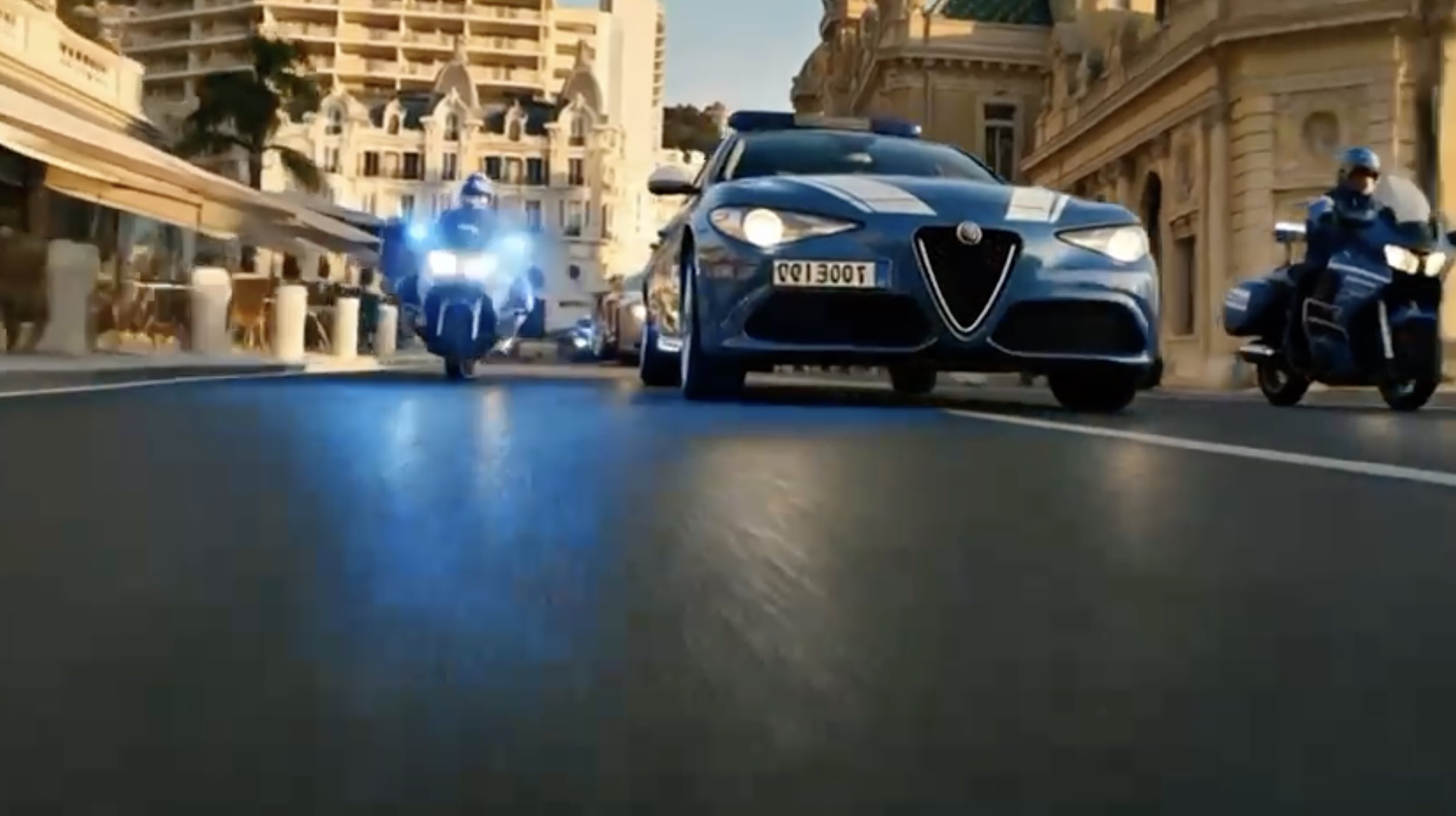
The project — "Monaco Maneuver" — had a script, a pitch deck, and a director's vision, but nothing to show. The team needed two minutes of footage that looked and felt like a finished trailer: recognizable characters, a Monaco casino heist, a train fight, a motorcycle chase, an explosive finale — built entirely through generation, with the visual language of "Casino Royale" and "Ocean's Eleven."
Independent filmmakers and literary agents have traditionally pitched with a logline and a treatment on paper. This was a different kind of pitch: showing the finished film's tone, pace, and scale before a single day of production.
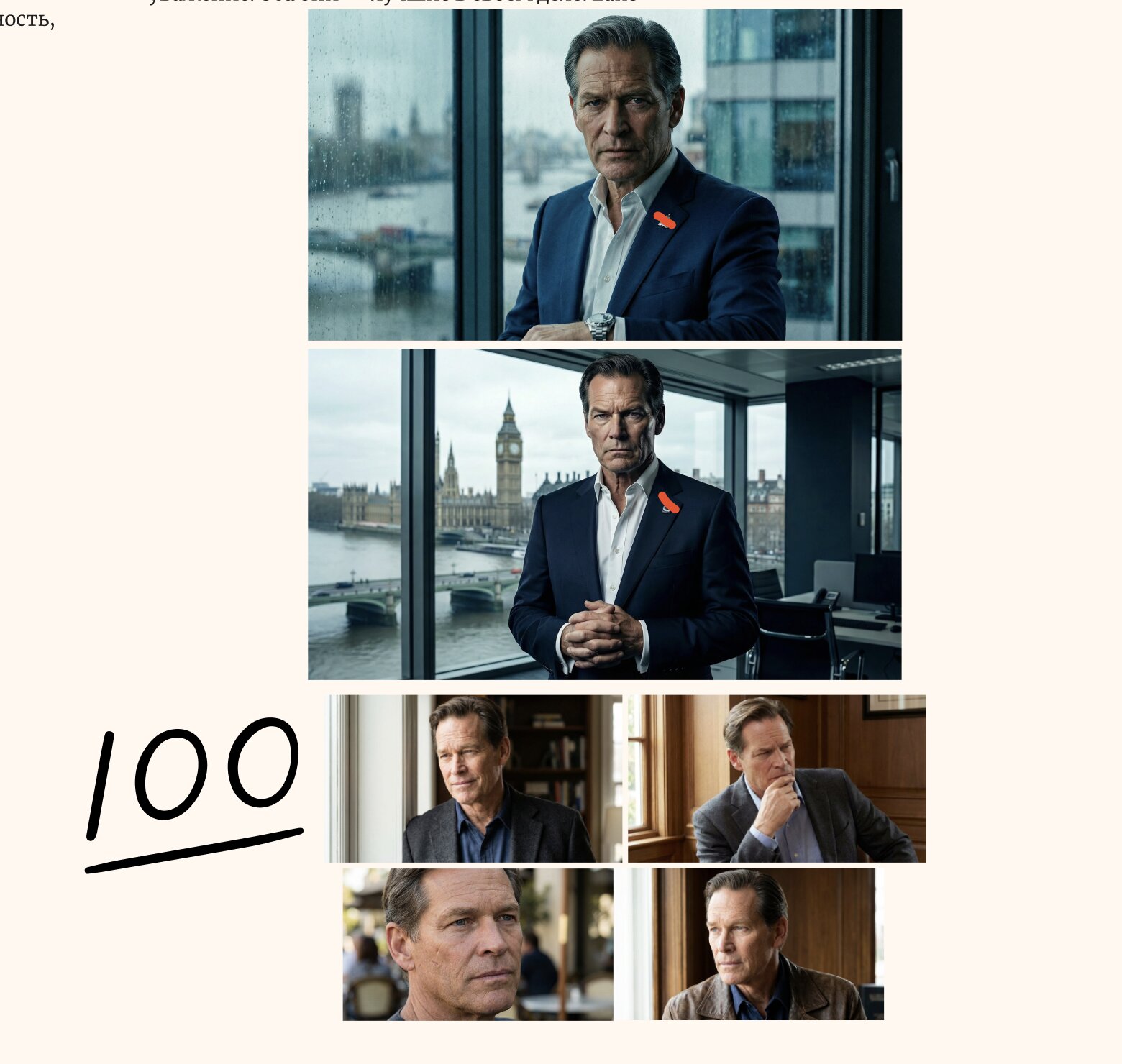
Before any narrative frame was generated, we ran a dedicated AI casting process. The director wrote character briefs — a composed, wealthy antagonist in his forties; a tattooed English lead in his fifties with a talent for explosives — and we turned each into a locked reference: face, wardrobe, and style carried through every later scene, so no generation budget went into an unapproved look.
Rather than targeting the final runtime from day one, we generated roughly five minutes of raw material to cut the best two minutes from — with the client reviewing footage in batches, not one final delivery at the end.
A neural network has no memory between shots. In our rough cuts, motorcycles that sank in one scene sat undisturbed on the dock in the next; a prison-uniform number shifted or vanished between frames. On a physical set, that continuity is a script supervisor's job — in AI production, someone still has to own it by hand, shot by shot.
Some sequences the model couldn't render at all: a top-down motorcycle chase kept breaking on geometry and motion, so we rebuilt the beat around angles the model could actually hold — losing none of the tension. One generation tool refused to render the finale's explosion outright, so we built the shot from a combination of tools instead. None of this is a prompting problem — it's knowing where a tool's ceiling is and working around it with editorial craft.
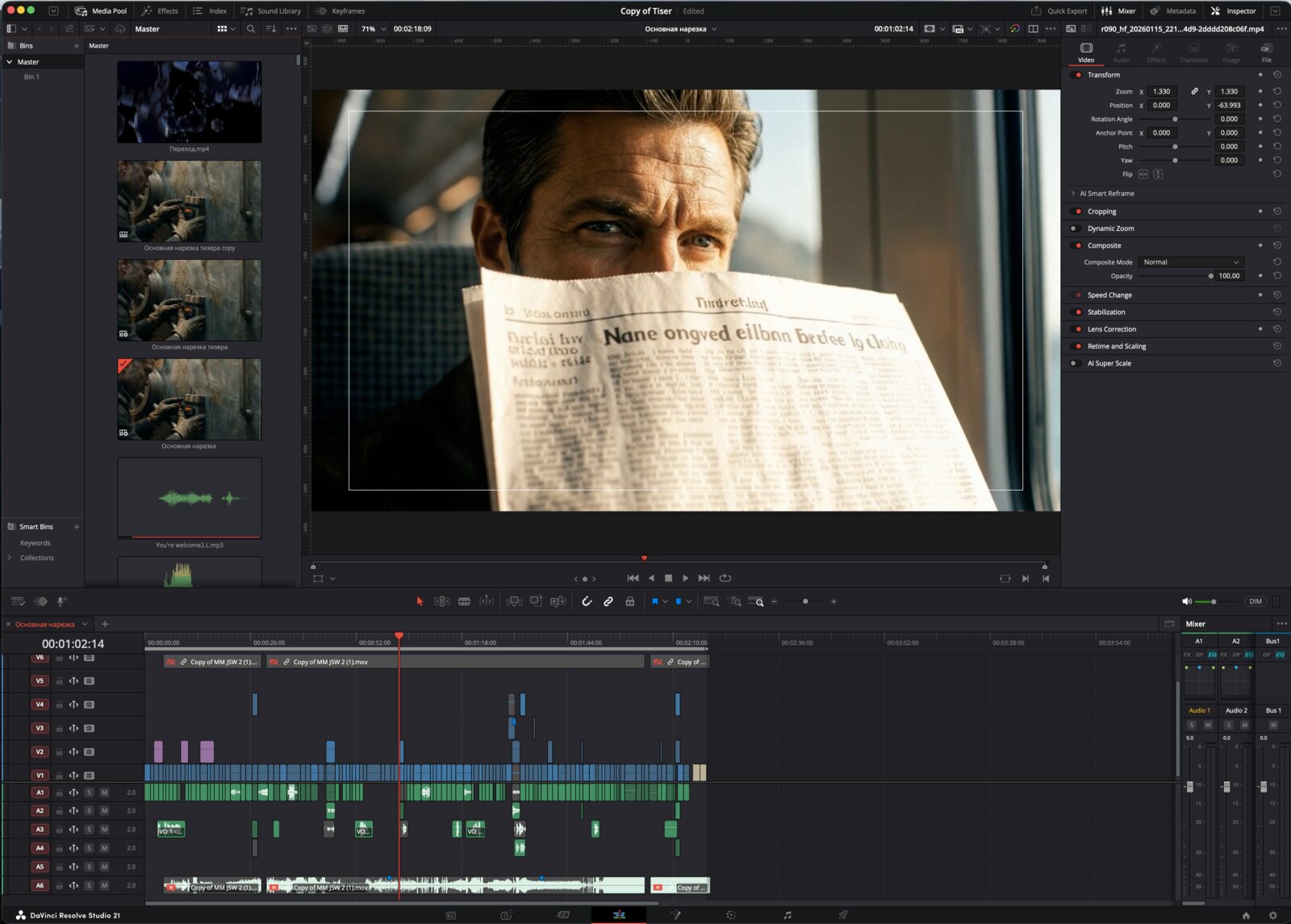
The picture came together in the edit, not the generation: pacing, cut points, and rhythm did more to make this feel like a real trailer than any individual AI shot.
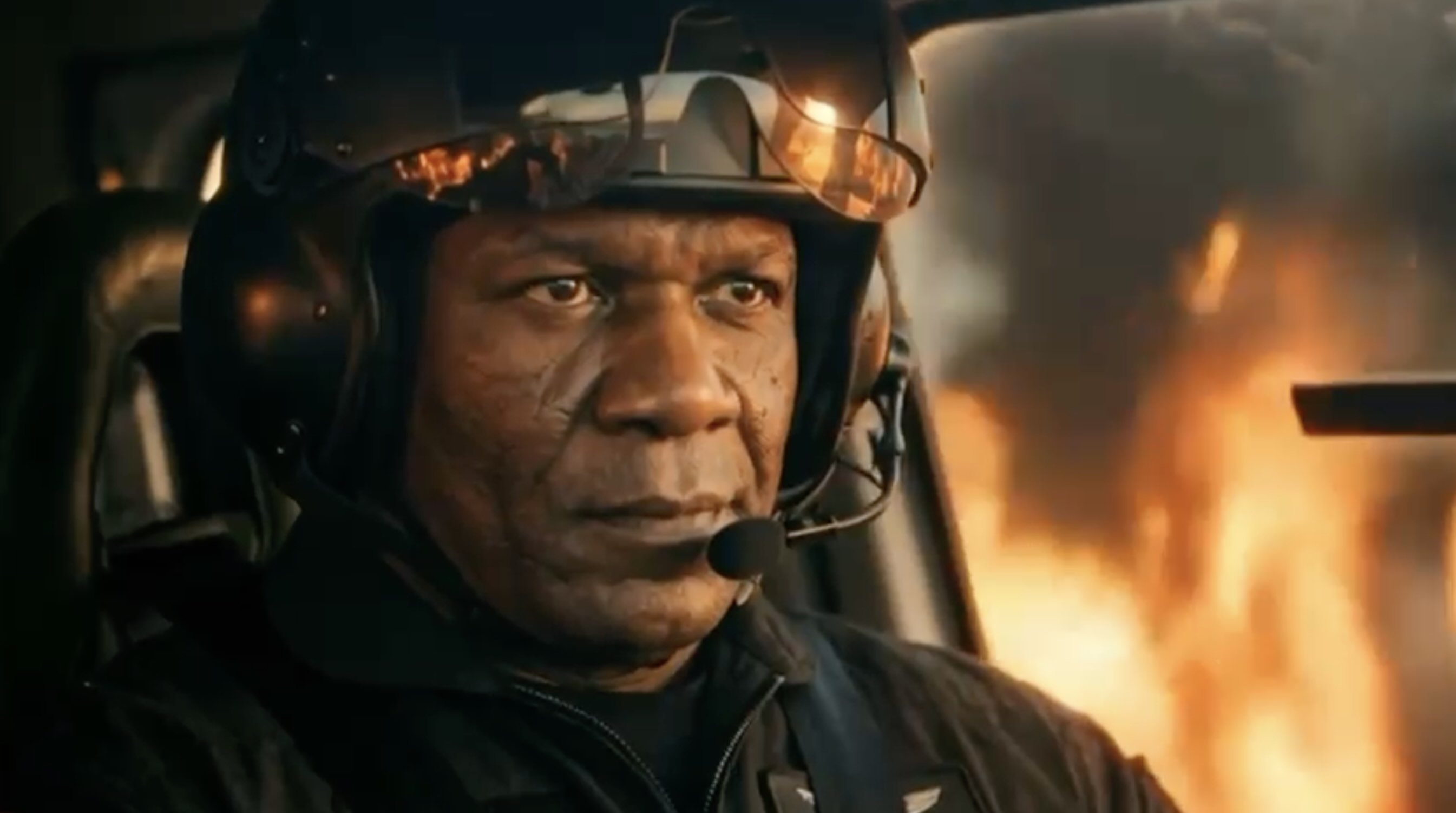
Monaco Maneuver" went from script to a fully produced, two-minute investor trailer — dialogue, sound design, and a licensed score synced to the cut — without a single day of shooting.
Have a story that isn't shot yet?
Whether it's a feature film, a book adaptation, or any project still in pre-production, we help you show investors and publishers the finished tone and scale of the work — not just describe it on paper.








Let’s Talk